
43.9K
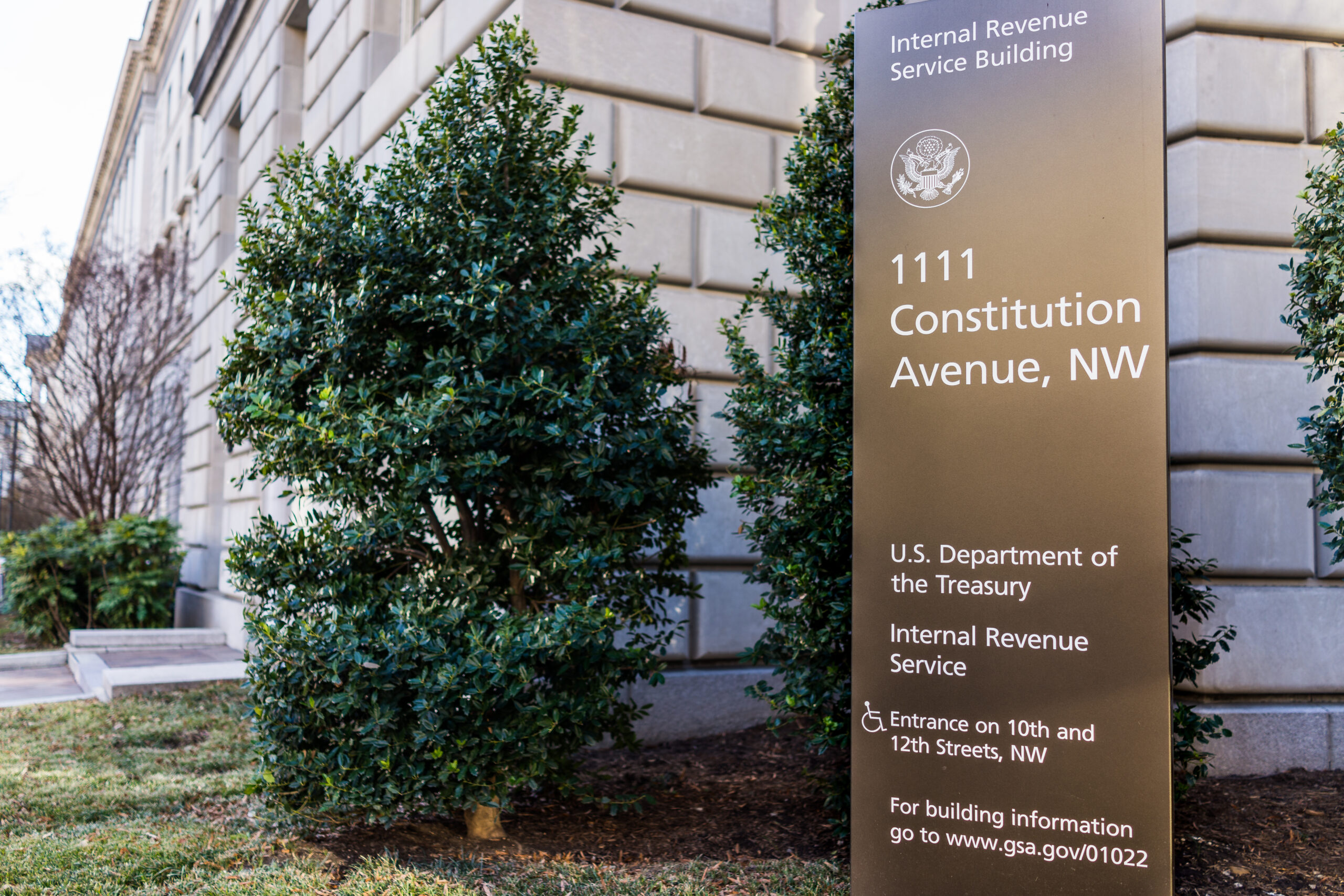
During tax season each year, the Internal Revenue Service (IRS) finds itself in a position to crack down on tax evaders trying to cheat the federal government. So, how do they figure out who owes money in tax debt?
Audits are the primary tool the IRS uses to collect the money owed to the government by tax cheats. These audits also serve an even more important purpose, though – they help deter fraud from happening in the first place.
The mere idea of being faced with an audit is such a stressful deterrent that approximately six out of every ten taxpayers cite this as their motive for being truthful about their taxes.
More IRS Audits for the Wealthy on the Horizon
n recent years, the IRS has made it its mission to elevate the number of audits for taxpayers with an annual income of $400,000 or higher. They view this as a way to raise revenue for the federal government and be stricter about handling pesky tax dodgers.
This endeavor is being funded by the Inflation Reduction Act of 2022, a new federal law that aims to reduce government inflation by reducing the federal budget’s income deficit. After the government passed the law, many voters expressed concern about facing an audit themselves.
In Reality, How High Are the Odds?
You may be wondering, what are the actual odds of you being audited? The answer may surprise you.
The chances of the average person filing their income tax return being faced with an audit are shockingly low, despite the fear the thought instills in so many. A measly 0.2% of tax filers in 2020 were faced with an audit, according to data from the IRS. Overall, that equates to approximately 1 in every 500 people are audited for their tax returns on a yearly basis.
All that said, there are some folks that do face a much higher chance of getting audited by the IRS. Studies show that the income level most likely to face an audit for their tax debt are those with annual incomes of $10 million or more. The IRS audited approximately 2.4% of those tax returns in 2020.
Surprisingly, the second most likely income-based group of people to be audited are those with a low to moderate income level who claimed the Earned Income Tax Credit (EITC).